


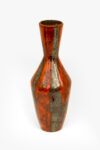
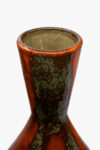
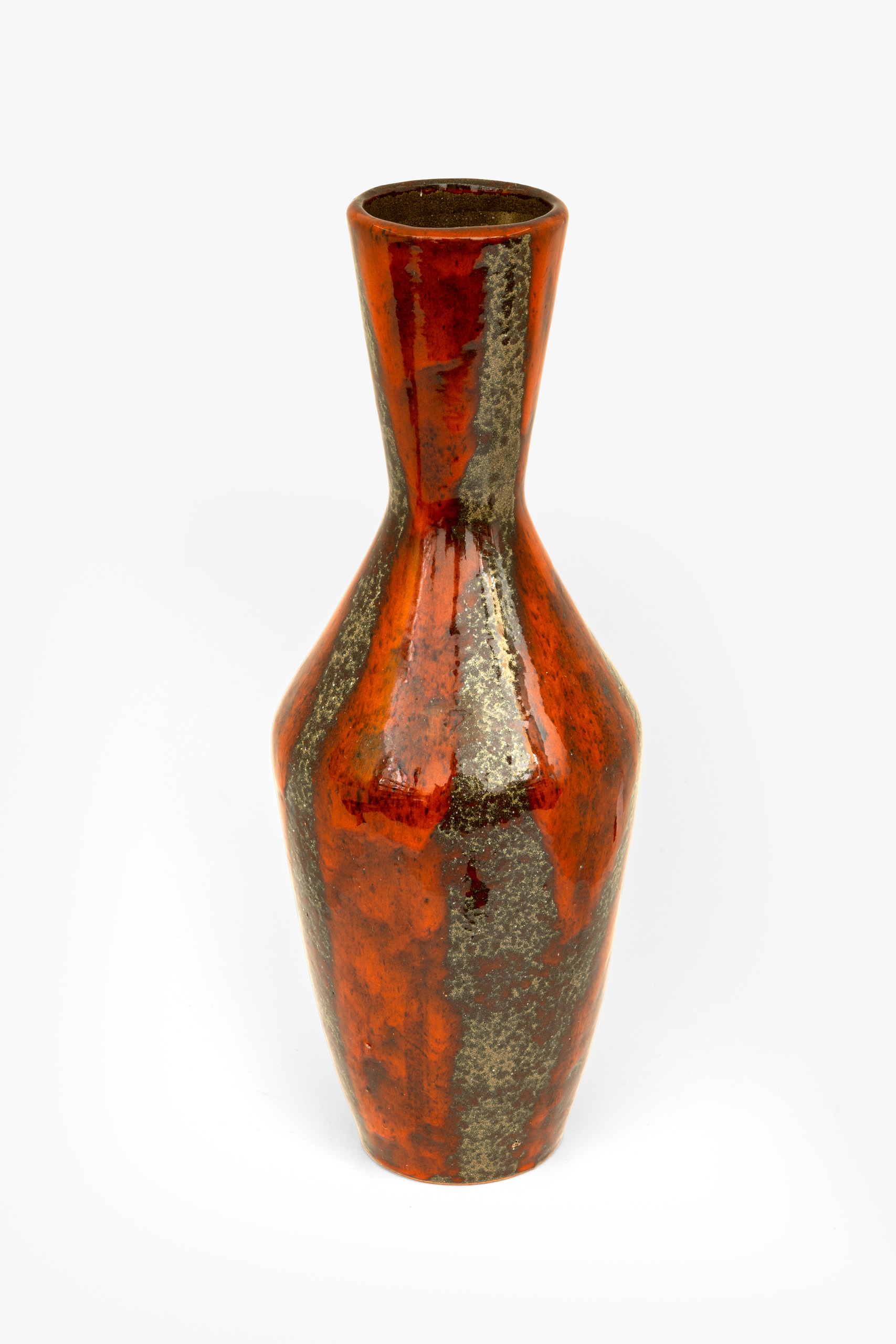
Mid-Century West German Art Pottery Vase with Red Lava Glaze, circa 1960s
Original price was: € 100,00.€ 80,00Current price is: € 80,00.
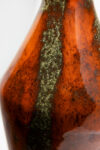
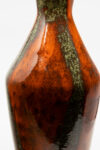
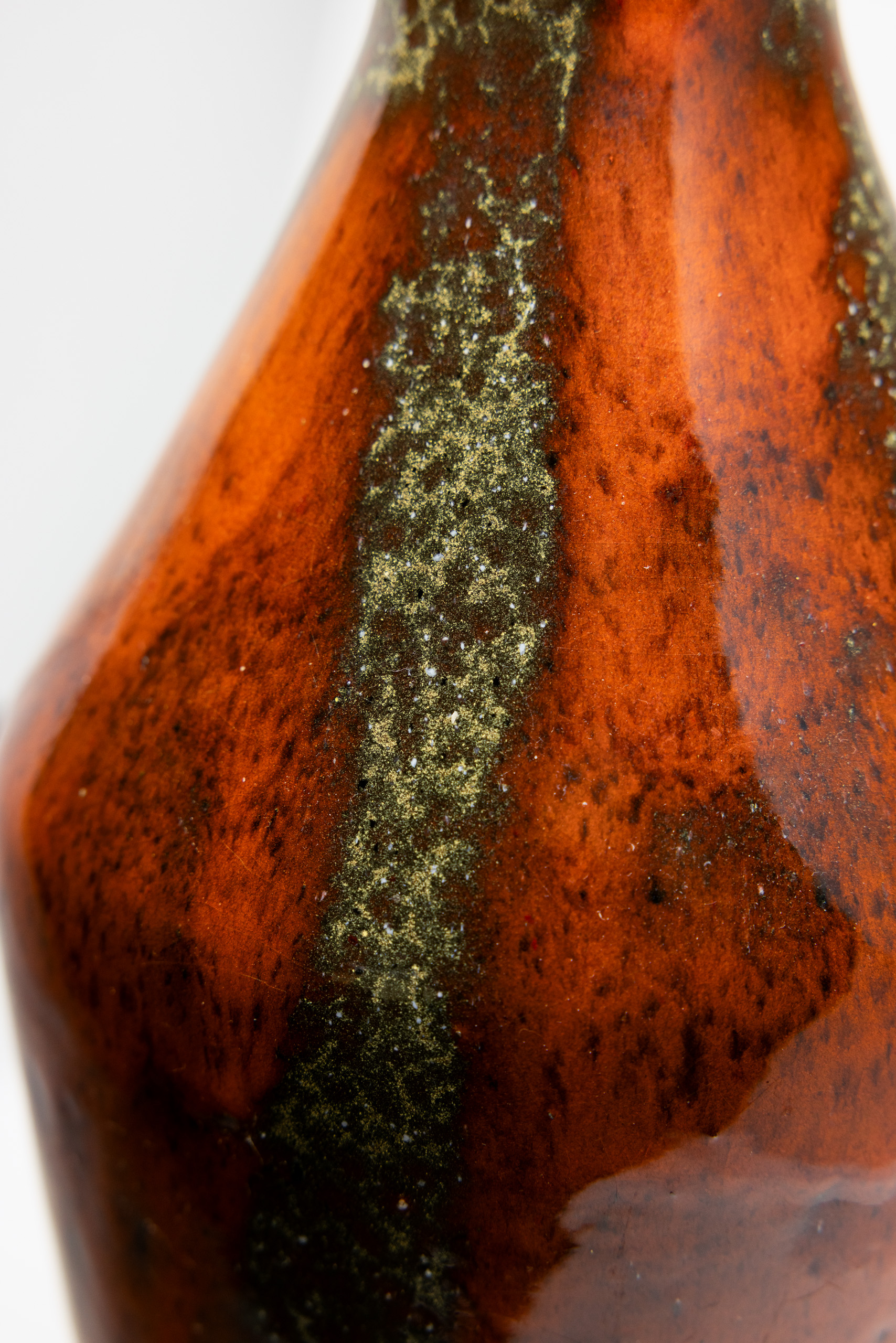
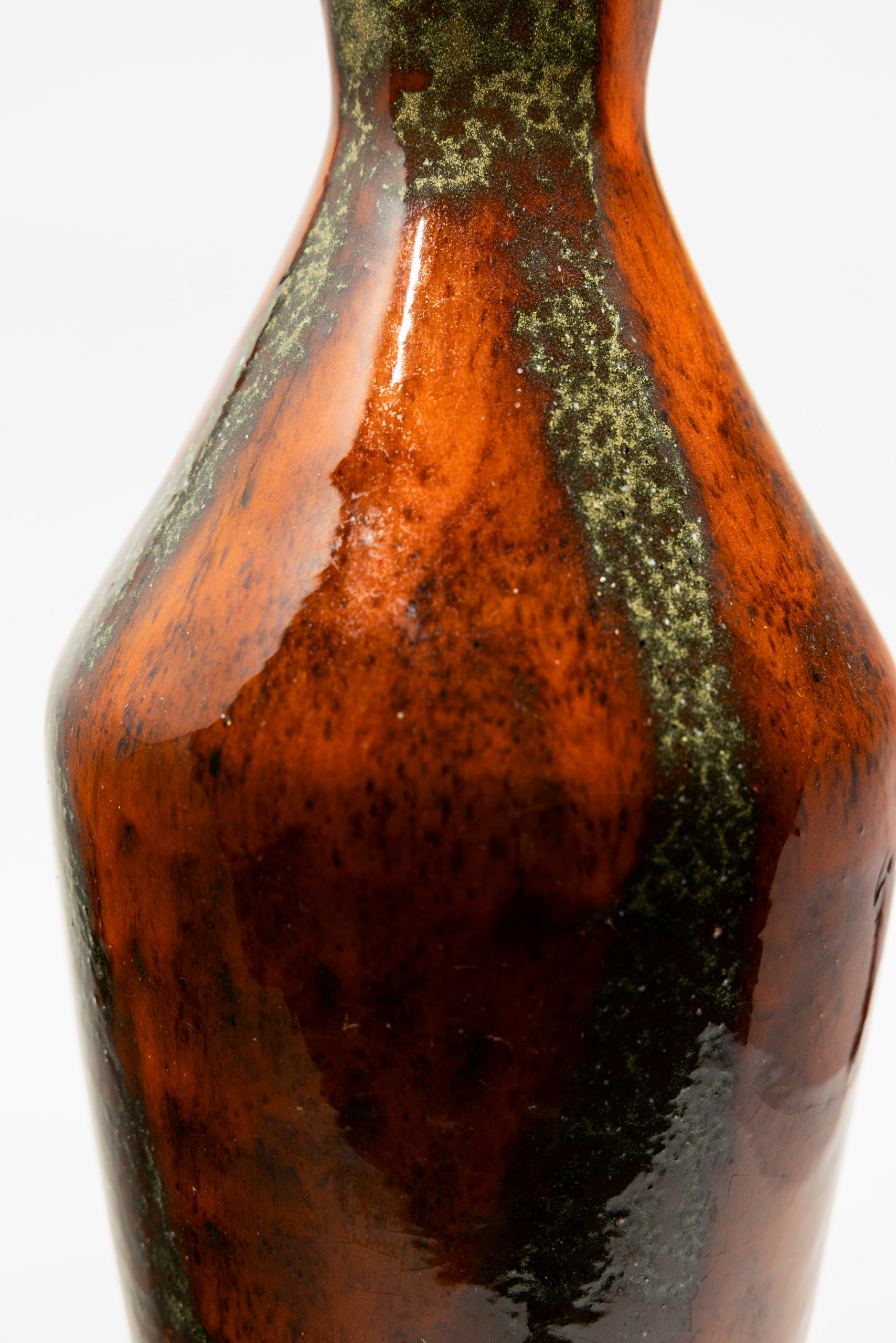
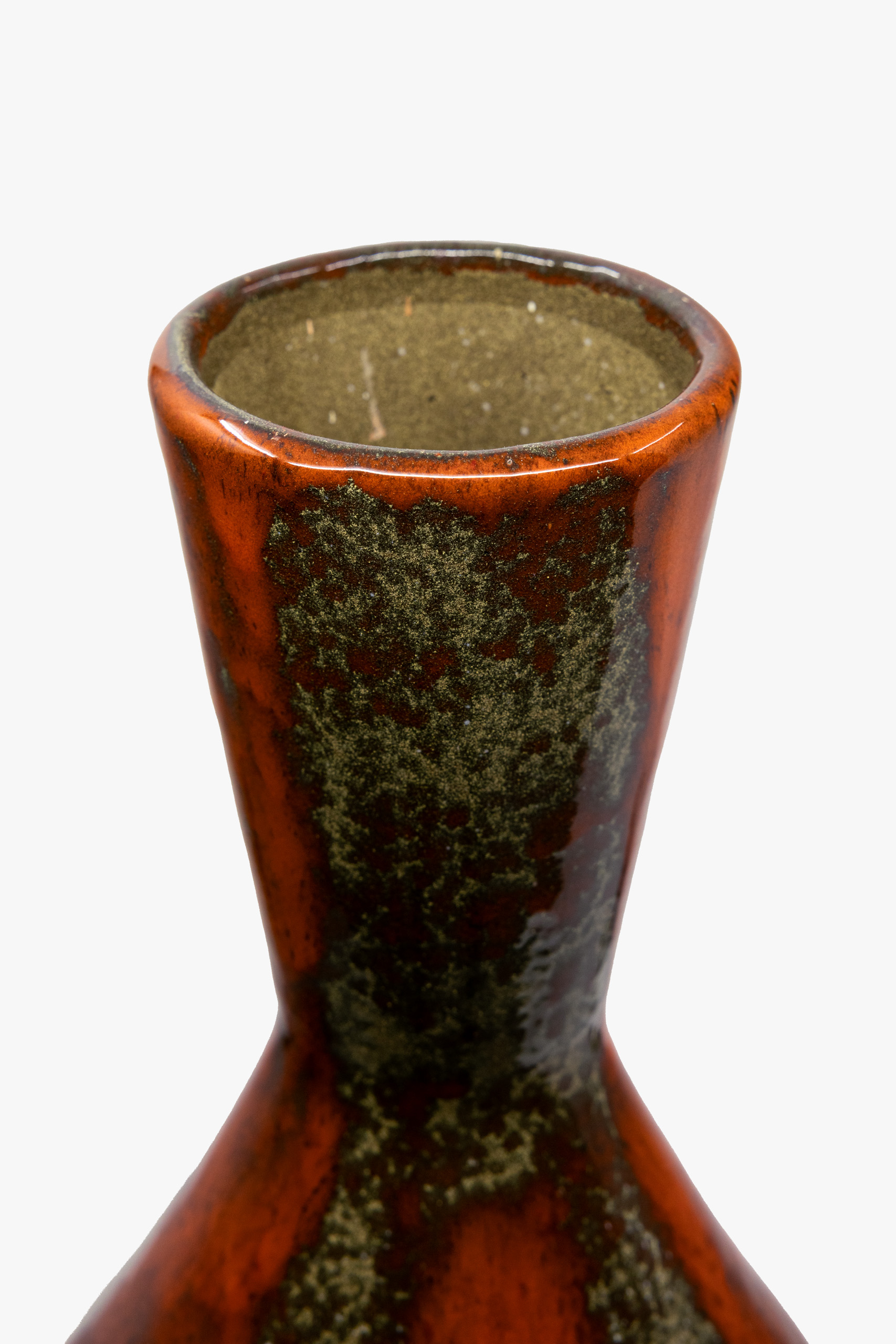
A striking West German art pottery vase from the mid-20th century, featuring a bold red lava glaze with deep, textured dark flows. Characteristic of the Fat Lava movement, this sculptural piece reflects the experimental glazes of the 1960s ceramic revival.
1 in stock
MAKE AN OFFER - SELECT:
This elegant mid-century art pottery vase captures the vibrant energy of the West German Fat Lava ceramics movement (1950s–1970s). Handcrafted with an elongated hourglass silhouette, the piece is decorated in a high-gloss volcanic red glaze, accentuated by irregular, molten-like dark streaks, creating a tactile surface that plays beautifully with light.
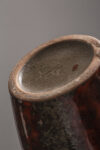
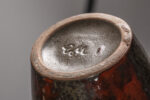
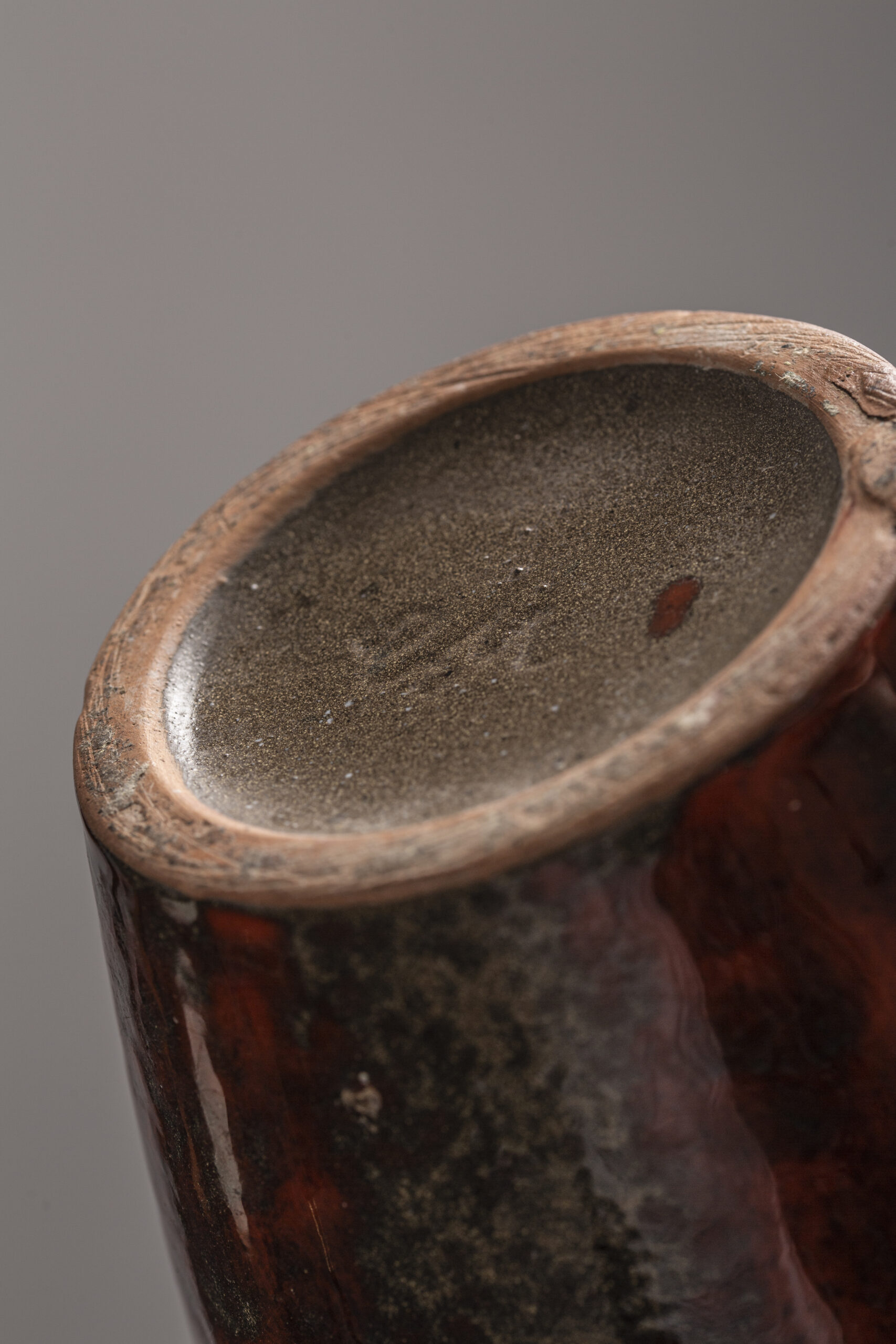
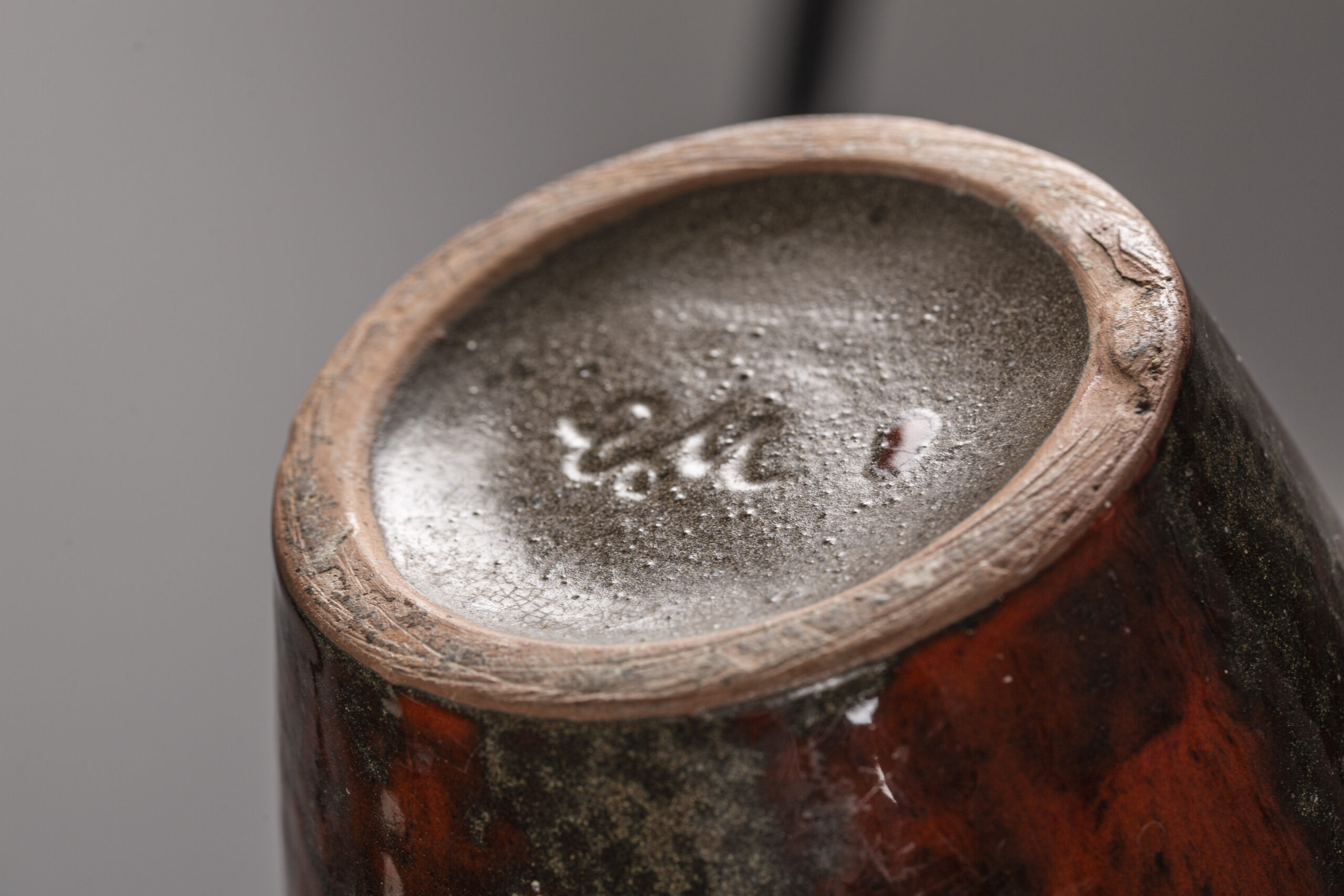
The base reveals an incised signature or model code, typical of German studio and workshop pottery of the era. Such pieces were part of the postwar wave of ceramic innovation, merging traditional craftsmanship with modernist aesthetics.
Highly decorative yet understated in its form, it serves as both a functional vessel and a sculptural accent—ideal for collectors of mid-century ceramics or West German Fat Lava pottery.
-
Region: West Germany
-
Period: Mid-20th century (circa 1960s)
-
Material: Ceramic with layered lava glaze
-
Dimensions: approx. H 40 cm x W 12 cm
Related Products
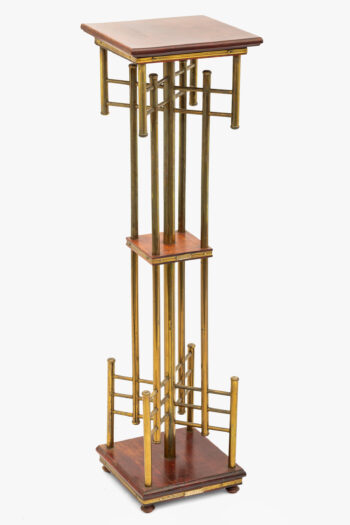
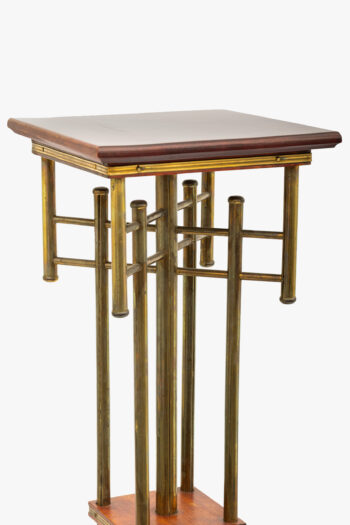
Elegant Art Deco pedestal stand combining stained wood and brass rods in a striking architectural composition, echoing Viennese and Czech modernist influences of the 1930s.
Out of stock
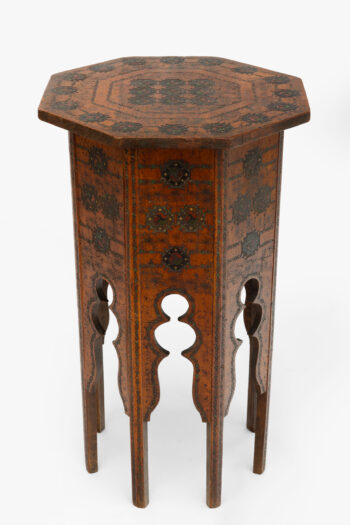
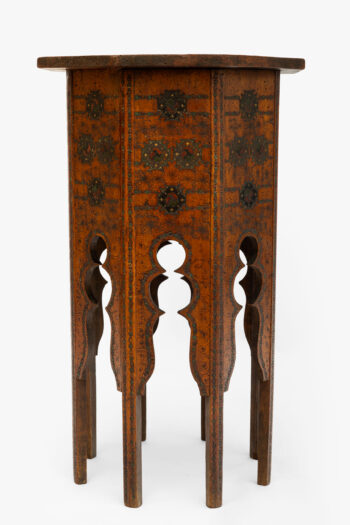
Rare antique octagonal pedestal table entirely decorated in pyrography and polychrome, combining Neo-Brâncovenesc geometric ornament with Moorish Revival architectural form. Bucharest or Wallachia, circa 1890–1910.
Out of stock
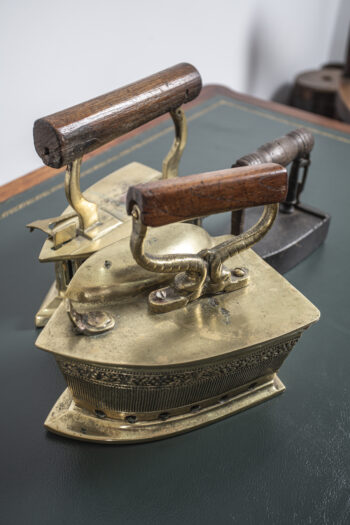
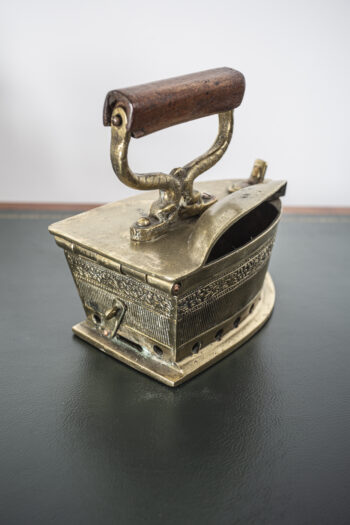
A charming set of three vintage irons in various styles and finishes. Crafted in solid brass and cast iron with wooden handles, they evoke the craftsmanship and domestic rituals of the past, serving today as striking decorative objects for rustic or industrial-themed interiors.
Out of stock
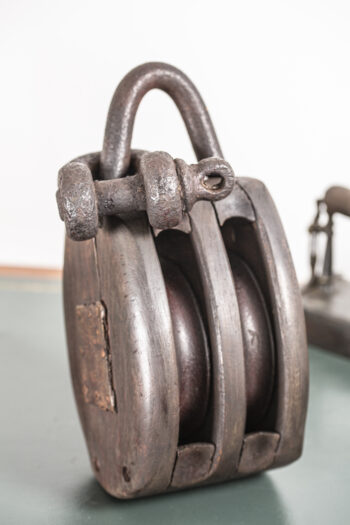
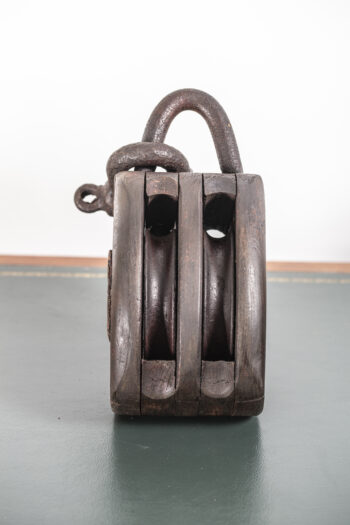
A robust hand-crafted maritime pulley featuring a double-sheave hardwood housing with rich patina and a forged iron shackle. Likely used aboard a traditional sailing vessel, it represents authentic late 19th to early 20th-century nautical rigging equipment.
1 in stock
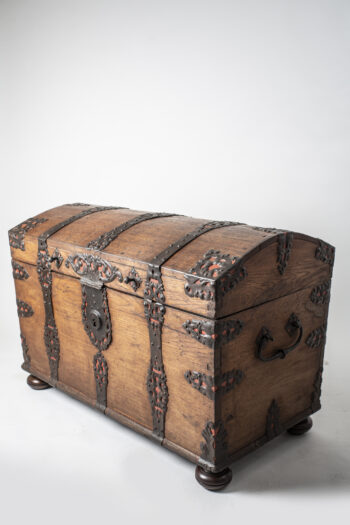
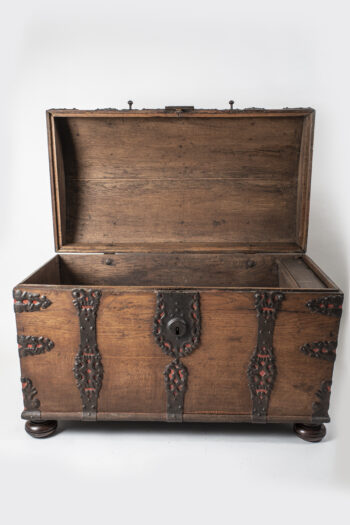
A robust Continental European dome-top trunk crafted from solid oak, circa 1800, featuring intricate hand-forged iron straps and decorative mounts with original patina. A fine example of period travel or storage chests.
1 in stock
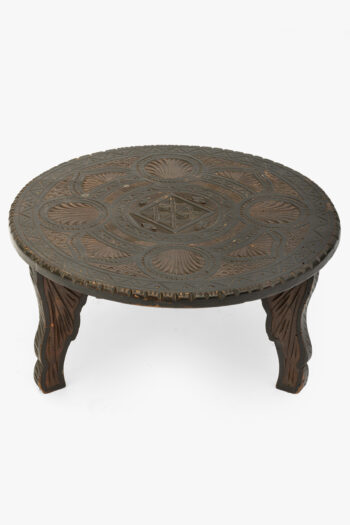
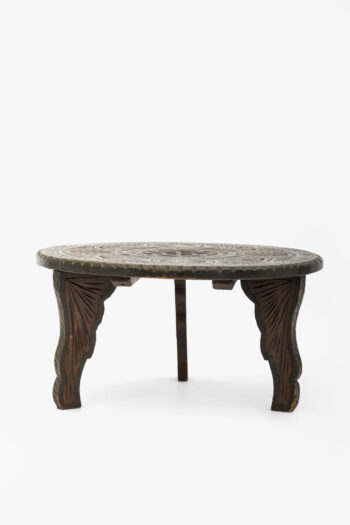
A finely carved Neo-Romanian low table featuring rich geometric ornamentation and traditional solar motifs, executed in dark-stained wood, Romania, circa 1920–1940.
Out of stock
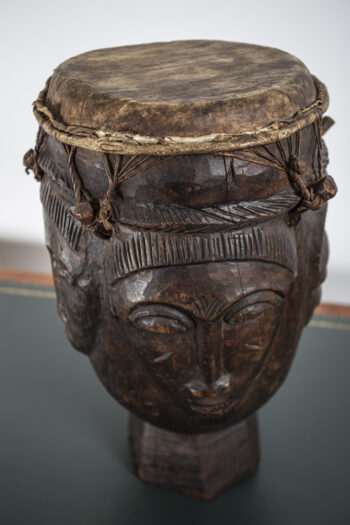
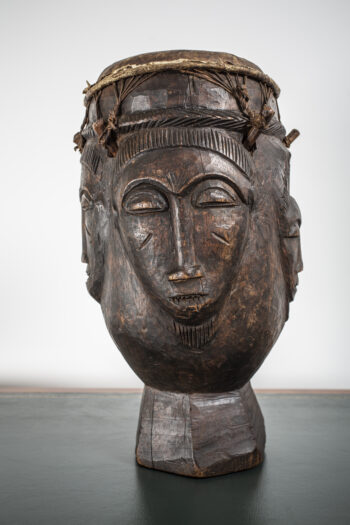
A striking African ceremonial drum, mid-20th century, carved with three stylized tribal faces and topped with its original goatskin hide secured by natural fiber ropes. A powerful example of mid-century tribal artistry, both decorative and functional.
1 in stock
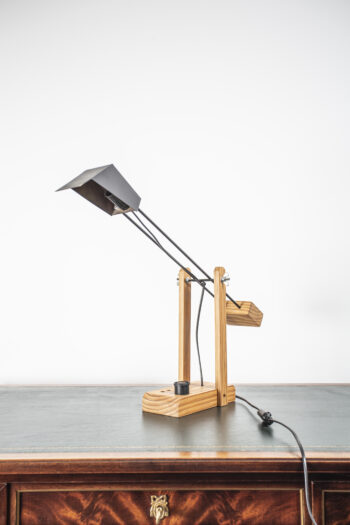
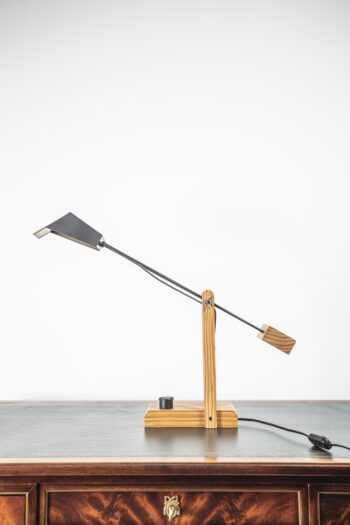
A striking modernist desk lamp featuring a cantilevered wooden arm with blackened steel rods and angular metal shade. Its clean lines, exposed screws, and functional articulation reflect both Scandinavian simplicity and Bauhaus rationalism, ideal for design-conscious interiors.
1 in stock
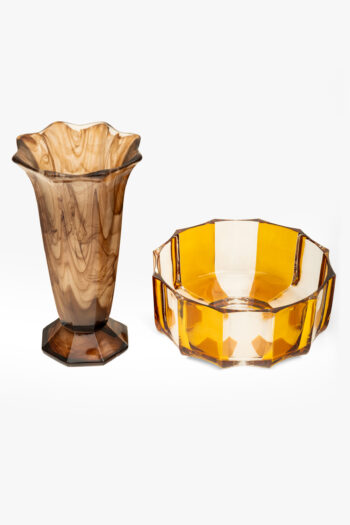
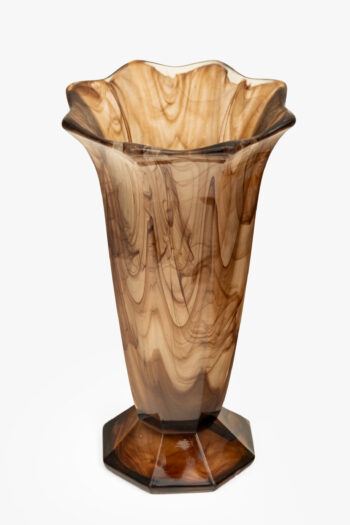
Elegant pairing of early 20th-century glassware: a faceted amber crystal bowl and a smoky marbled glass vase, both showcasing refined Art Deco aesthetics.
1 in stock


A striking industrial theatre spotlight by Strand Electric, mounted on its original wheeled tripod stand. Made in England around the 1950s–60s, this sculptural lighting piece retains its authentic lens and cast aluminium body, now rewired for domestic interior use.
1 in stock


A superb English Windsor armchair, handcrafted circa 1880 in solid elm, boasting a beautifully pierced back splat, sculpted saddle seat, and masterfully turned legs. A true 19th-century original with deep, lustrous patina.
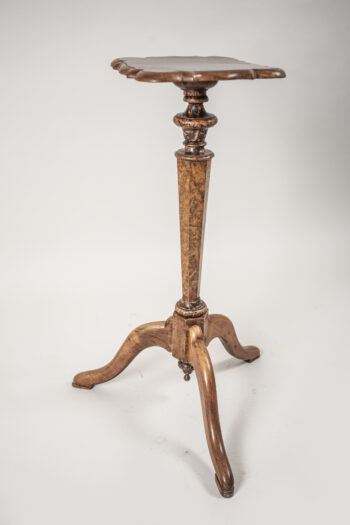
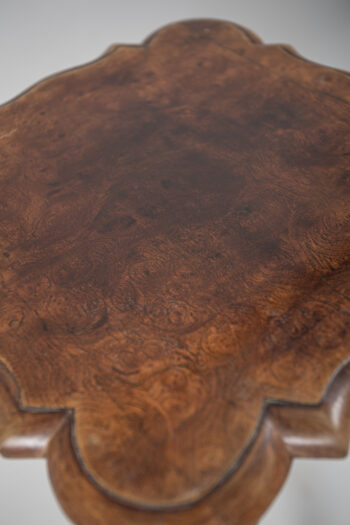
An elegant late 18th-century Dutch candle stand with a scalloped top and turned baluster shaft in richly figured burr walnut. Its refined tripod base and balanced proportions suggest Louis XVI or early Directoire influences. Originally used as a light stand or occasional table.
1 in stock